Why Growth Requires Continuous Learning
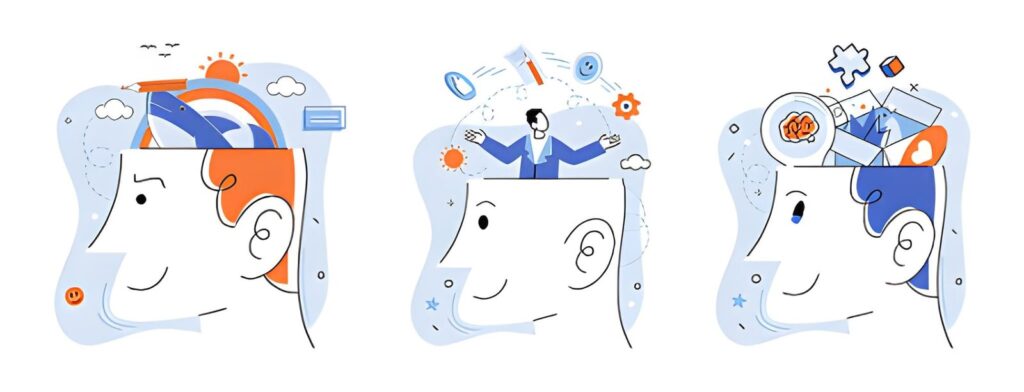
Growth is not something that happens once and then stops. Whether we are developing our careers, improving our personal lives, or simply trying to understand the world around us, growth requires us to keep learning. The world is constantly changing, and the knowledge that is useful today may not be enough tomorrow. Continuous learning helps us stay curious, adaptable, and prepared for new opportunities.
Learning does not always mean sitting in a classroom or earning a formal qualification. It can happen through reading, asking questions, practicing a skill, listening to experienced people, exploring new ideas, or learning from mistakes. Every new experience has the potential to teach us something valuable.
Learning Keeps Us Moving Forward
One of the biggest reasons continuous learning is important is that it prevents us from becoming stuck. When people stop learning, they may continue doing things the same way simply because that is what they are used to. While familiar routines can feel comfortable, they may not always lead to progress.
Learning introduces new possibilities. It allows us to discover better methods, understand different perspectives, and find solutions to problems we may not have considered before. Even a small amount of new knowledge can change the way we approach a challenge.
For example, a person working in technology may need to learn new tools as the industry develops. A business owner may need to understand changing customer needs. A student may discover new subjects that completely change their future goals. In each case, learning creates opportunities for growth.
The World Is Always Changing
Technology, communication, business, education, and society are evolving faster than ever. New tools and ideas appear regularly, and people who are willing to learn are often better prepared to adapt.
Continuous learning gives us the flexibility to respond to change instead of fearing it. Rather than thinking, “I have always done it this way,” a learner asks, “Is there a better way to do this?”
This mindset can make a significant difference. Change becomes less intimidating when we see it as an opportunity to learn rather than simply as a problem to overcome.
Learning Builds Confidence
Knowledge and experience often go hand in hand with confidence. When we learn something new and practice it, we become more comfortable with our abilities.
Imagine someone who wants to learn a new language. At first, speaking may feel difficult and unfamiliar. With regular practice, however, simple words become sentences, and sentences become conversations. Each improvement creates a sense of achievement.
The same process happens with professional and personal skills. Every new ability we develop reminds us that we are capable of improvement. This confidence can encourage us to take on bigger challenges and explore opportunities that we might have avoided before.
Mistakes Are Part of Learning
Continuous learning also changes the way we think about failure. Instead of seeing mistakes as proof that we are not good enough, we can view them as information that helps us improve.
Every mistake can teach us something about what works and what does not. A failed project can reveal weaknesses in planning. A poor decision can encourage us to think more carefully next time. A difficult experience can help us develop patience and resilience.
People who continue learning understand that improvement is rarely perfect. They are willing to try, make mistakes, adjust their approach, and try again.
Learning Through Everyday Experiences
Some of the most valuable lessons do not come from books or courses. Everyday life can be an excellent teacher.
Talking to someone with a different background can broaden our perspective. Traveling can introduce us to new cultures and ways of thinking. Working with others can teach communication and teamwork. Even ordinary challenges can develop problem-solving skills.
The key is to remain observant and curious. When we approach life with an open mind, almost every experience can become a learning opportunity.
Continuous Learning Creates Better Opportunities
People who keep developing their knowledge and skills are often better prepared to recognize new opportunities. They may discover career paths they had never considered, develop ideas for creative projects, or find solutions to problems that once seemed impossible.
Learning also helps people remain competitive in changing environments. While qualifications and experience are valuable, the ability to keep learning can be even more important over the long term.
Conclusion
Growth requires continuous learning because life itself is constantly changing. New challenges demand new skills, new situations require fresh thinking, and new opportunities often appear when we are willing to explore beyond what we already know.
The goal is not to know everything. Instead, it is to remain curious, adaptable, and willing to improve. Whether you spend a few minutes reading each day, learn a new skill, listen to others, or reflect on your experiences, every effort adds to your personal growth.
Continuous learning is not simply a path to professional success. It is a way of becoming more confident, capable, and open-minded. When we make learning a lifelong habit, we give ourselves the chance to keep growing—no matter how much we already know.