Watering Techniques for Healthy Plants
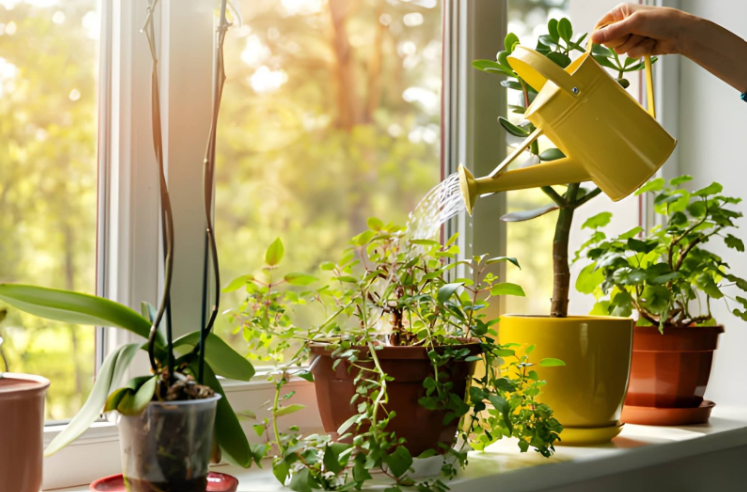
Watering is one of the most important parts of plant care, yet it is also one of the most commonly misunderstood. Whether you are growing houseplants, vegetables, herbs, flowers, shrubs, or trees, proper watering techniques can make the difference between thriving plants and stressed, weak growth. Healthy plants need the right amount of water at the right time, delivered in the right way. Too much water can lead to root rot and fungal disease, while too little can cause wilting, yellowing leaves, and poor development.
In this guide, you’ll learn Ga6789 com effective watering techniques for healthy plants, including how often to water, when to water, and how to recognize signs of overwatering and underwatering.
Why Proper Watering Matters
Water helps plants absorb nutrients from the soil, maintain strong stems, regulate temperature, and carry out photosynthesis. Without enough moisture, plants cannot move nutrients efficiently from the roots to the leaves. However, roots also need oxygen. When soil stays too wet for too long, air pockets disappear, and roots may begin to suffocate.
The goal of proper watering is to keep soil evenly moist, not constantly soaked. Different plants have different needs, so understanding your plant type, soil, container, and climate is essential for building a successful watering routine.
Understand Your Plant’s Water Needs
Not all plants require the same amount of water. Tropical houseplants, such as peace lilies and ferns, usually prefer consistently moist soil. Succulents and cacti, on the other hand, store water in their leaves and stems, so they need much less frequent watering.
Vegetable plants like tomatoes, cucumbers, and lettuce often need regular moisture, especially during hot weather or fruit production. Flowering plants may also need more water when blooming. Native plants and drought-tolerant varieties typically require less maintenance once established.
Before watering, research each plant’s needs. This simple step helps prevent common mistakes and supports stronger, healthier growth.
Check Soil Moisture Before Watering
One of the best watering techniques for healthy plants is checking soil moisture before adding more water. Many gardeners water on a fixed schedule, but plants do not always need water on the same day every week. Weather, humidity, sunlight, pot size, and plant growth all affect how quickly soil dries.
For houseplants, insert your finger about one to two inches into the soil. If it feels dry, it may be time to water. If it still feels damp, wait a day or two. For outdoor garden beds, check several inches deep, especially during hot or windy weather.
You can also use a moisture meter for more accuracy. This is especially helpful for beginners or for plants that are sensitive to overwatering.
Water Deeply and Less Frequently
Deep watering encourages roots to grow downward into the soil, creating stronger and more drought-resistant plants. Shallow watering, by contrast, keeps roots near the surface, where they dry out quickly.
For garden plants, water slowly so moisture can soak deeply into the soil. A long, gentle watering session is usually better than a quick splash. For lawns, trees, and shrubs, deep watering is especially important because it supports long-term root health.
Container plants may need more frequent watering than plants in the ground because pots dry out faster. Still, it is best to water thoroughly until excess water drains from the bottom of the container. This ensures the entire root ball receives moisture.
Water at the Right Time of Day
The best time to water plants is early in the morning. Morning watering gives plants time to absorb moisture before the heat of the day. It also allows leaves and soil surfaces to dry, reducing the risk of fungal diseases.
Watering in the evening can be acceptable, especially during very hot weather, but wet leaves overnight may encourage mildew, leaf spot, and other plant diseases. Midday watering is usually less efficient because water can evaporate quickly in direct sunlight and high temperatures.
For the best results, water early in the morning whenever possible.
Water the Soil, Not the Leaves
A key plant watering tip is to direct water toward the base of the plant rather than spraying the leaves. Roots absorb water, so watering the soil is more effective. Wet foliage can increase the risk of fungal problems, particularly in plants like tomatoes, roses, cucumbers, and squash.
Using a watering can with a narrow spout, a drip irrigation system, or a soaker hose can help deliver water directly to the root zone. This method reduces waste, prevents disease, and keeps plants healthier.
Use Mulch to Conserve Moisture
Mulch is an excellent tool for improving watering efficiency. A layer of organic mulch, such as straw, wood chips, shredded leaves, or compost, helps retain soil moisture, regulate temperature, and suppress weeds. Weeds compete with your plants for water, so keeping them under control is important.
Apply mulch around outdoor plants, leaving a small gap around the stem or trunk to prevent rot. For most garden beds, a two- to three-inch layer of mulch works well. Over time, organic mulch also breaks down and improves soil structure.
Choose the Right Watering Method
Different watering methods work best for different situations. Hand watering is useful for small gardens, containers, and delicate plants because it gives you control. Drip irrigation is ideal for vegetable gardens, flower beds, and landscape plants because it delivers water slowly and efficiently.
Soaker hoses are another effective option. They release water gradually along the soil surface and are easy to install. Sprinklers can cover large areas, but they often waste water through evaporation and may wet leaves unnecessarily.
For indoor plants, use room-temperature water and make sure pots have drainage holes. Empty saucers after watering so roots do not sit in standing water.
Adjust Watering by Season
Plants usually need more water during spring and summer when they are actively growing. Hot temperatures, bright sunlight, and wind all increase moisture loss. In fall and winter, many plants grow more slowly and require less water.
Indoor plants may also need adjustments based on heating and air conditioning. Dry indoor air can cause soil to dry faster, while lower light levels can reduce water use. Always check soil moisture rather than relying only on the calendar.
Final Thoughts
Mastering watering techniques for healthy plants is one of the easiest ways to improve your garden or indoor plant collection. By understanding plant needs, checking soil moisture, watering deeply, choosing the right time of day, and avoiding overwatering, you can create ideal growing conditions.
Healthy watering habits lead to stronger roots, greener leaves, better blooms, and more productive plants. With a little attention and consistency, your plants Xổ số Ga6789 will reward you with vibrant growth all season long.